An IT Strategic Plan is a comprehensive plan that outlines how technology should be used to meet IT and business goals. The IT Strategic Plan, also called a Technology Strategic Plan or IT/Technology Strategy, is a written document that details the multiple factors that affect the organization’s investment in and use of technology.
It should cover all facets of technology management, including cost management, human capital management, hardware and software management, vendor management and risk management.
The IT strategic plan should outline a mission statement that states what it plans to achieve and how the IT strategy relates to the organization’s overall business objectives. Often the first step to creating an effective IT strategic plan is to start with reviewing the organization’s strategic plan, which helps in identifying the areas where the use of technology can improve operations.
The IT strategic plan should include a SWOT analysis of its strengths, weaknesses, opportunities and threats to identify both internal and external factors that can affect IT’s ability to contribute to an organization’s success. This process will also help analyze the gap between where the IT department currently is in achieving its goals and what it wants to achieve. The department can then identify the barriers and the resources needed to bridge the gap.
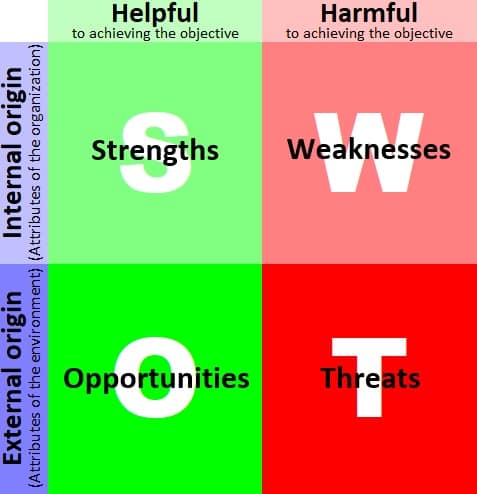 The SWOT Matrix
The SWOT analysis also helps to identify any of the company’s technological assets that might be an unknown competitive advantage and that the organization should consider investing in.
Finally, it is important that the IT strategic plan be clear about its ultimate goals, including a list of technology investments that the IT department deems a priority to contribute to the organization’s success. However, the plan should also include evaluations of the company’s current IT budget and allocate project-specific resources and responsibilities within the IT department to meet these objectives.
Most organizations and their IT departments normally react to needs/crises and spend time and money when these occur. New hardware and software will be acquired to resolve the need/crisis as and when it happens. Preempting requirements is just not in their culture. In any case, the IT staff are so overwhelmed “fighting fires” that they really do not have time to do much else.
The organizations end up with many systems that individually solve specific needs, but often are not (maybe even cannot be) integrated. The end-result is server sprawl where multiple, under-utilized servers take up more space and consume more resources than can be justified by their workload, and this is not even counting the cost of their acquisition.
With IT Strategic Plans, the organizations can maximize on current IT investments, as well as choose wisely in new technologies to ensure maximum benefits for the organization, all this while remaining secure and yet competitive.